
How to begin water damage cleanup after a flood?
Water damage mitigation: immediate steps after a flood
Water damage mitigation should be the first priority after any home flooding event. Acting quickly limits damage and reduces long term costs. Because water spreads fast, standing moisture creates risks for health and structure. Therefore you should focus on safe water removal and drying as soon as possible. This article gives clear, practical guidance for the first hours after a flood. It also explains when to call professionals for extraction, drying, and repairs.
Common causes include burst pipes, heavy rain, sewer backup, and appliance failures. These events vary in scale, however all require rapid attention to avoid escalation. Early action helps prevent:
- Mold growth and poor indoor air quality
- Structural damage to floors, walls, and framing
- Plumbing failures and hidden leaks that worsen over time
Quick steps such as turning off power, stopping incoming water, and documenting damage matter. As a result, prompt mitigation preserves property value and protects family health. Read on for step by step checks you can do now and signs that mean you need professional help.
Common causes of water damage in homes
Plumbing leaks often start small but escalate quickly. A pinhole in a supply line or a failed fitting can soak walls and floors for days. Therefore regular maintenance and timely plumbing services matter to stop slow leaks before they spread.
Severe weather and flooding deliver large volumes of water in minutes. Heavy rain can enter through foundation cracks or overwhelmed drainage. As a result basements, lower levels, and crawlspaces often see the worst damage.
Appliance failures create localized but destructive events. Washing machine hose ruptures, overflowing dishwashers, and ice maker failures pour gallons into cabinets and subfloors.
Roof and exterior damage let water into attics and ceilings. Left unchecked, roof leaks rot sheathing and insulation and create hidden wet pockets behind drywall.
Why prompt water cleanup prevents worse damage
- Mold grows within 24 to 48 hours on damp materials, so immediate water cleanup limits infestations. For guidance on health effects and remediation, see the EPA and CDC resources.
- Structural decay follows prolonged moisture and often requires costly demolition and replacement.
- Electrical hazards and ruined finishes lead to high repair bills and insurance claims.
When plumbing services and mold prevention matter most
- Call pros when water covers large areas or when sewage is involved. Professional technicians use extraction equipment and drying systems to control moisture. Learn how improved plumbing practices speed repairs here.
- Invest in mold prevention after drying. For case studies and trade training that raise mitigation standards, see these industry examples: here and here.
Untreated water damage turns small leaks into mold infestations, ruined structures, and major outlays for homeowners. Act fast to reduce both health risks and repair costs.
Water damage mitigation: immediate, practical actions
When you detect a leak or flood, act quickly. First, stop the source if safe. Turn off the main water shutoff valve. Next, cut electrical power in affected areas to avoid shocks.
Start basic water cleanup right away. Remove standing water with buckets and wet vacuums. Open windows and run fans for airflow, however professional drying is often needed to fully remove moisture.
Essential immediate steps
- Stop incoming water by shutting valves or closing supply lines.
- Move valuables and wet items to dry zones to limit staining and warping.
- Use towels, mops, and a wet vacuum for initial water removal.
- Photograph damage for insurance and record actions taken.
When to contact plumbing services and pros
- Call licensed plumbing services when you cannot stop the leak, or when pipes burst. Professionals provide safe repairs, leak detection, and permanent fixes. For examples of industry best practices, see this piece on faster plumbing repairs: faster plumbing repairs.
- Hire water cleanup and drying technicians for large floods or sewage events. They bring pumps, dehumidifiers, and thermal imaging to find hidden moisture. Learn about trade training and case studies here: trade training and case studies and Dan Kirkpatrick retirement installation.
Mold prevention tactics
- Dry materials within 24 to 48 hours to reduce mold risk. Therefore discard porous items soaked by contamination.
- Clean surfaces with appropriate disinfectants after drying. For health guidance on mold and cleanup, consult CDC and FEMA resources: CDC mold resources and FEMA flood resources.
Taking these actions quickly reduces damage. As a result you save money and protect your home.
| Service Type | Typical Costs | Response Time | Certifications | Benefits |
|---|---|---|---|---|
| Water damage mitigation (restoration specialists) | $1,500 to $10,000+ depending on area affected and contamination level. | 24/7 emergency response; same day arrival common for floods and sewage. | IICRC S500 certified technicians; firm certification; mold remediation credentials. | Rapid extraction, structural drying, moisture mapping, insurance documentation, containment of contaminants. |
| Plumbing services (licensed plumbers) | $150 to $2,000+ for repairs or replacements; higher for major repiping. | Emergency calls handled same day; scheduling for nonurgent repairs within days. | State plumbing license; EPA lead-safe; manufacturer installer certifications. | Permanent repairs, leak detection, valve and pipe replacement, prevent recurrence, code-compliant fixes. |
Conclusion
Timely water damage mitigation and professional plumbing services protect both your home and health. Act quickly after a leak or flood to limit moisture spread, reduce mold risk, and prevent structural decay.
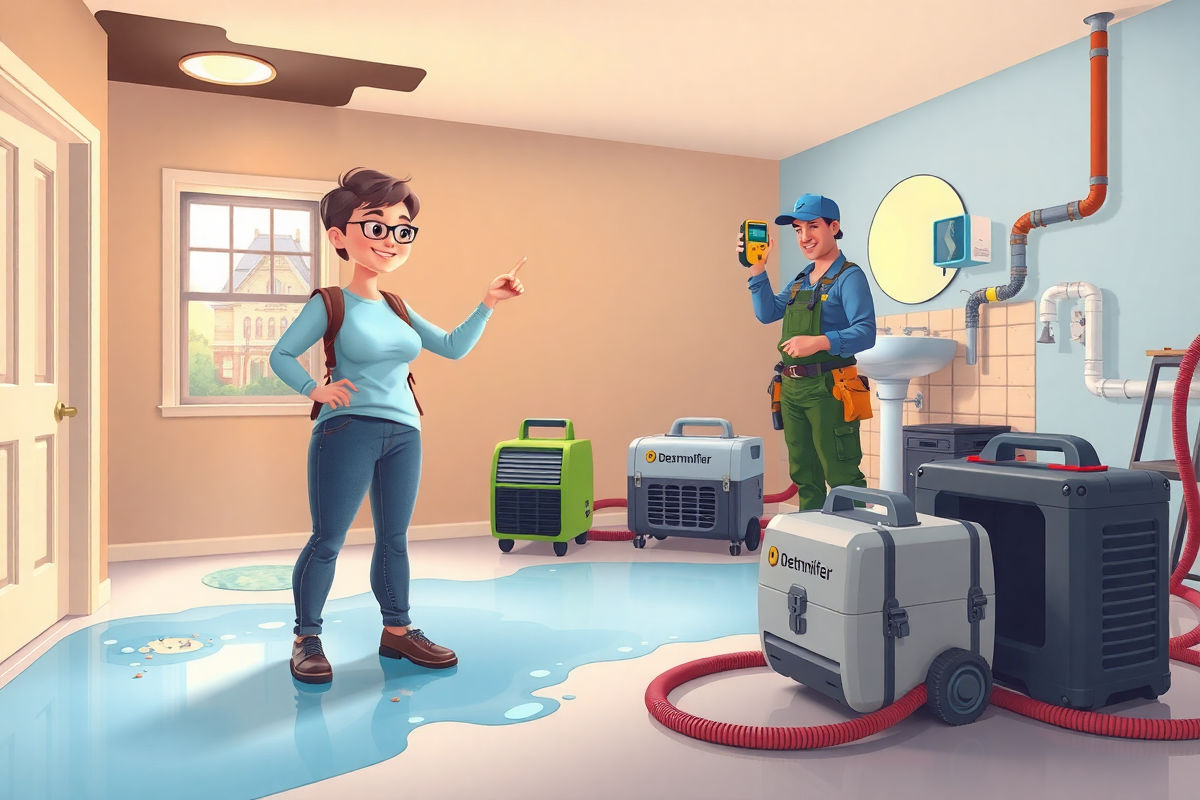
Begin with safety: shut off water and electricity if safe, document damage, and start basic water cleanup. Then call licensed plumbers for repairs and certified restoration teams for extraction and drying. Professionals bring pumps, air movers, dehumidifiers, and moisture meters to find hidden wet pockets and stop problems at the source.
Delaying raises costs and health risks. Therefore when water covers large areas or sewage is present, contact experts immediately. As a result you reduce the chance of mold infestations, minimize demolition, and speed repairs and insurance claims.
Keep contact details for trusted technicians and follow simple maintenance to prevent future events. In short, fast, informed action plus expert help preserves property value and keeps your family safe.
Recommended Service: discover this trusted partner.
Company profile: This project provides practical and educational content on water damage mitigation and plumbing services across the United States. Our goal is to help homeowners understand the risks associated with leaks, floods, moisture, mold, and common plumbing issues. We share clear, accessible information on water cleanup, structural drying, damage inspections, mold prevention, and reliable plumbing solutions. All of our content is designed to support home safety and maintenance, backed by the availability of certified technicians in every state, ready to assist 24/7 nationwide. Nothing in our articles replaces professional evaluations, repairs, or recommendations from qualified specialists.
Frequently Asked Questions (FAQs)
What are common signs of a hidden water leak?
– Sound of running water when fixtures are off.
– Higher than normal water bills without increased use.
– Stains, bubbling paint, or peeling wallpaper on walls and ceilings.
– Musty odors or visible mold in cabinets, basements, or behind appliances.
If you notice these signs, shut off the water main if you suspect active leakage and call plumbing services for leak detection and repairs.
How quickly does mold appear after water damage and how can I prevent it?
Mold can begin within 24 to 48 hours on damp materials. To prevent mold:
– Remove standing water and dry the area within 24 to 48 hours.
– Discard porous items that remain wet such as carpeting, insulation, and ceiling tiles.
– Use dehumidifiers and air movers and clean with appropriate disinfectants once dry.
For health guidance see: CDC Mold.
When should I call professionals for water cleanup and plumbing repairs?
Contact professionals immediately if:
– Water covers a large area or comes from sewage.
– Pipes have burst or you cannot locate the shutoff.
– Electrical systems have been exposed to water.
Restoration firms provide water cleanup, drying, moisture mapping, and insurance support. Licensed plumbers handle permanent repairs and code compliance.
What are typical costs for mitigation and plumbing services?
– Small repairs from plumbing services typically start around $150 to $500.
– Water cleanup and initial drying often start around $1,500 and can exceed $10,000 for extensive or contaminated floods.
Costs vary by region, damage extent, and contamination. Therefore get multiple estimates and document damage for insurance.
How do I choose the right contractor for water damage mitigation?
– Check certifications such as IICRC for restoration and state licenses for plumbers.
– Read reviews and ask for references and proof of insurance.
– Confirm availability for emergency response and get a written scope of work with moisture targets and clearance criteria.
These steps help homeowners make informed choices and reduce long term costs and health risks related to water damage.