
What are signs you need Emergency roof repair now?
Emergency roof repair: Act fast to protect your home
A leaking or damaged roof can become a crisis in hours. Emergency roof repair must start immediately because water moves fast and damage compounds. When storms, fallen branches, ice dams, or missing shingles strike, temporary measures can stop further loss.
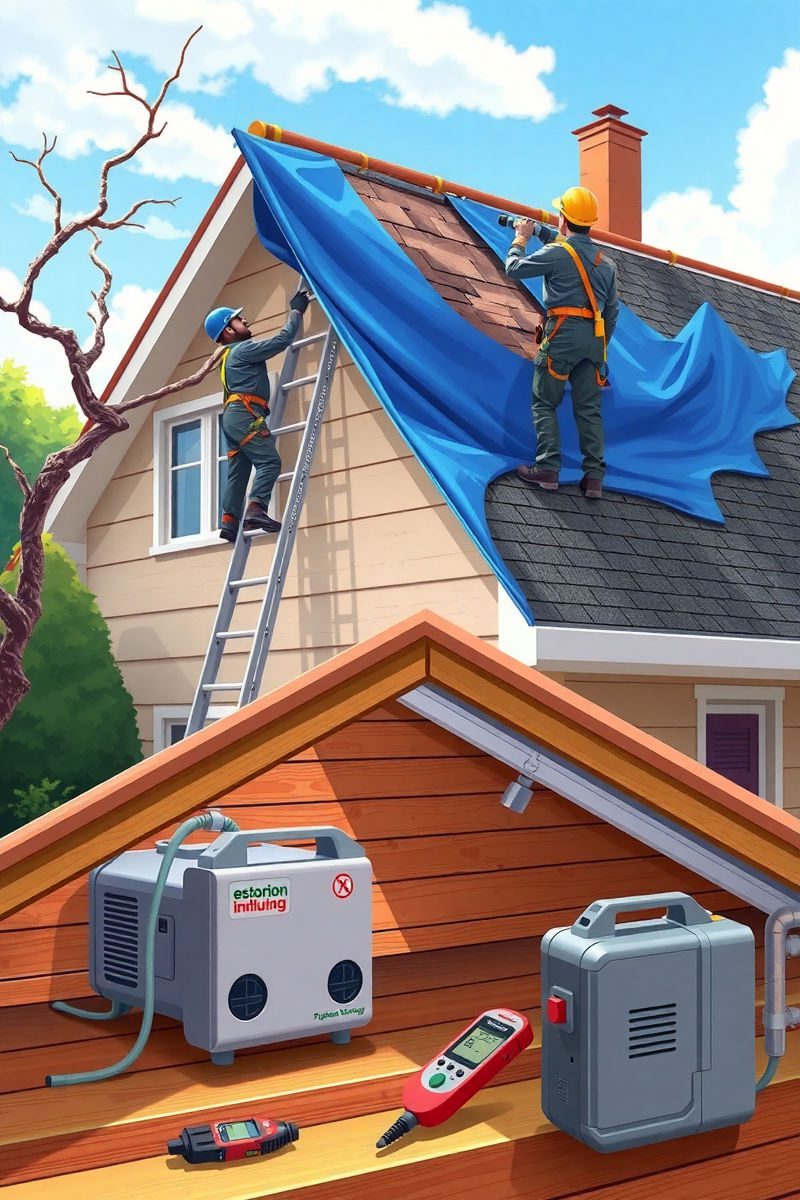
Emergency roof repair usually means a rapid damage inspection, temporary tarp installation, and protection of at-risk zones while you plan permanent fixes. Professionals also document damage for insurance claims and coordinate safe, long-term repairs. Trying DIY fixes often fails, and it can be dangerous.
Act now to avoid hidden problems like mold growth, rot, and compromised structural supports. Water seepage leads to mildew and odors, and as a result your remediation costs can skyrocket. Fortunately, 24/7 crews can set tarps, extract standing water, and begin drying immediately.
This article gives a clear checklist to help you decide when to handle a minor patch yourself and when to call water removal and restoration experts. Read on to learn quick stabilization steps, safety tips, and when to contact licensed roofers for permanent repair.
Common causes of Emergency roof repair
Roofs fail for many reasons, and some problems require immediate action. Severe weather like high winds and hail rips shingles and exposes underlayment. Fallen tree branches and debris puncture roofing materials. Additionally, old or worn shingles and damaged flashing let water seep under the surface. In cold climates, ice dams force moisture into the roof deck. Because water travels, a small opening can create major interior damage quickly.
Why these causes become emergencies
- High winds and storm damage produce sudden, widespread leaks. Therefore quick tarping and inspection are critical.
- Fallen debris can tear roofing layers and create structural risk.
- Missing flashing around chimneys, vents, and skylights channels water into attics and walls.
- Long term wear and tear lets rot develop under shingles, which weakens the roof deck over time.
Signs homeowners should watch for
Watch for visible and hidden signals so you can act fast. Common signs include:
- Water stains on ceilings or walls
- Drips, active leaks, or puddles after rain
- Missing, cracked, curled, or loose shingles
- Granule loss in gutters and downspouts
- Sagging roof sections or soft spots in the attic
- Moldy or musty odors inside the house
If you see any of these signs, call a licensed contractor right away. For guidance on how weather affects roofs, see the Insurance Institute and trade resources such as FEMA and IBHS for preparedness tips and storm maps: FEMA and IBHS. You can also learn about local restoration priorities from related articles on repair urgency and estimator reputation: Water Damage Restoration and Reputation in the Restoration Industry.
Quick visual checklist
- Step outside and scan your roof after a storm
- Look for fallen branches or loose shingles
- Check attic for daylight, leaks, or wet insulation
- Photograph damage for insurance documentation
Early detection reduces mold risk and restoration costs, so act promptly when you spot trouble.
Emergency roof repair: quick cost and response comparison
Use this table to compare common emergency roof repair options. Prices vary by region, roof size, and severity, so treat these ranges as guidelines.
| Repair type | What it covers | Typical cost (USD) | Average response time | DIY feasible? |
|---|---|---|---|---|
| Temporary tarp installation | Covers holes, exposed underlayment until permanent repair | 150 to 800 | 1 to 6 hours | No (requires safe access and proper sealing) |
| Shingle patch or replacement | Replaces missing or damaged shingles on small sections | 200 to 1,200 | Same day to 24 hours | Sometimes (small patches only) |
| Flashing repair or seal | Fixes leaks around chimneys, vents, skylights | 300 to 1,500 | 4 to 24 hours | No (needs skill to prevent future leaks) |
| Structural deck repair | Replaces rotted roof deck beneath shingles | 800 to 5,000+ | 24 to 72 hours | No (structural work requires pros) |
| Ice dam mitigation | Removes ice, installs heat cables or temporary venting | 250 to 2,000 | Same day to 48 hours | No (safety and ladder risks) |
Quick tips
- Photograph damage for insurance. Therefore save time during claims.
- If water is active, call pros immediately because delays cause mold.
- Ask about 24/7 emergency response and documentation for claims.
Costs and times depend on weather, contractor availability, and insurance approvals.
Emergency roof repair: what to do first
Act quickly and safely when your roof fails. Below is a clear, step-by-step plan to stabilize damage, protect occupants, and prepare for professional repairs.
- Stay safe and assess from the ground
- Move people and pets away from the affected area. Safety comes first because roofs can collapse or shed debris.
- From a safe distance, look for falling shingles, large holes, or dangling materials.
- Do not climb on a wet or damaged roof. Instead, check the attic for daylight or active leaks.
- Stop active water indoors
- Place buckets under drips and move furniture away from wet spots.
- Lift wet items off the floor and place them on plastic sheeting.
- Turn off breakers if water reaches electrical fixtures. If in doubt, leave power off and call an electrician.
- Apply temporary fixes if safe to do so
- Use a heavy tarp to cover large exposed sections. Secure the tarp with weighted boards or approved fasteners.
- Use roofing cement for small shingle gaps only if you can work safely.
- Remember that temporary measures slow damage, they do not replace permanent repairs.
- Contact emergency roof repair professionals right away
- Call a licensed restoration or roofing company that offers 24/7 fast response.
- Ask about tarp installation, moisture inspection, water extraction, and documentation for insurance.
- Expect a rapid damage assessment and a written estimate.
- Prepare for the repair process
- Professionals will inspect, photograph, and measure damage for insurance.
- Next, they install temporary protection such as tarps and boards.
- Then they remove wet insulation, run air movers and dehumidifiers, and begin structural repairs.
- Track invoices and insurance claims
- Keep copies of estimates, photos, and receipts. These help with claims and reimbursement.
- Ask the contractor to work directly with your insurer if possible.
- Schedule permanent repairs and follow up
- After drying and mitigation, schedule roofing replacement or restoration.
- Finally, monitor the attic and ceilings for recurrent leaks.
Acting fast reduces mold risk and repair costs. Therefore call the pros if damage looks severe or if you feel unsafe handling fixes on your own.
Conclusion: Emergency roof repair matters—act fast to protect your home
When a roof emergency occurs, fast action prevents small problems from becoming large disasters. Emergency roof repair stabilizes your home, stops active water intrusion, and limits secondary damage such as mold, rot, and structural decay. Because water spreads quickly, early tarping, moisture removal, and professional inspection often save thousands in future repairs.
Professional teams work 24 hours a day, 7 days a week, and they bring specialized tools and certified technicians to every job. Therefore calling a licensed restoration or roofing contractor ensures safe access, correct temporary protection, and accurate documentation for insurance claims. In addition, experienced crews coordinate water extraction, drying, and permanent roof restoration so you can return the house to normal faster.
If you are unsure about a repair, remember that DIY attempts can be risky and often fail. However, a prompt professional response reduces health risks from mold and speeds claim processing with insurers. Many restoration providers also offer financing and work directly with insurance companies to simplify the process.
Keep important contacts handy, photograph damage, and prioritize safety for your family. Acting quickly and choosing a certified, 24/7 team protects your home and peace of mind.
Recommended Service: discover this trusted partner.
Company profile: This project provides practical and educational content on water damage mitigation and plumbing services across the United States. Our goal is to help homeowners understand the risks associated with leaks, floods, moisture, mold, and common plumbing issues. We share clear, accessible information on water cleanup, structural drying, damage inspections, mold prevention, and reliable plumbing solutions. All of our content is designed to support home safety and maintenance, backed by the availability of certified technicians in every state, ready to assist 24/7 nationwide. Nothing in our articles replaces professional evaluations, repairs, or recommendations from qualified specialists.
Frequently Asked Questions about Emergency roof repair
How much does emergency roof repair usually cost?
Costs vary by damage and region, but emergency fixes often range from small patches at a few hundred dollars to structural repairs costing several thousand. Temporary tarp installation commonly runs from 150 to 800. Because factors like roof size, materials, and access matter, get a written estimate and ask about financing options.
How quickly should I call for emergency roof repair?
Call immediately when you see active leaks or structural damage. Many companies offer 24/7 response, and tarping can arrive within hours. Act fast because standing water increases mold and structural risk.
Will insurance cover emergency roof repairs?
Often yes, but coverage depends on your policy and cause of damage. Therefore photograph everything, save receipts, and request a detailed invoice. Contractors who work with insurers can speed claims processing.
Can I fix the roof myself?
You can apply small, safe temporary measures like a tarp. However, DIY roof work can be dangerous and may cause further damage. For permanent repair, hire licensed professionals.
What immediate checks should I do after a storm?
From the ground, scan for missing shingles, fallen branches, and sagging areas. Then check the attic for leaks or daylight. Finally call a certified restoration team if you find water intrusion or soft spots.