Is Emergency roof repair and water damage restoration urgent?
Emergency roof repair and water damage restoration: Act fast, protect your home
Emergency roof repair and water damage restoration starts with speed. When a storm rips shingles away or a leak sneaks into an attic, you face more than a repair bill. You confront soaked insulation, ruined keepsakes, hidden structural damage, and the fast arrival of mold. Because water moves quickly, the risk grows every hour you delay.
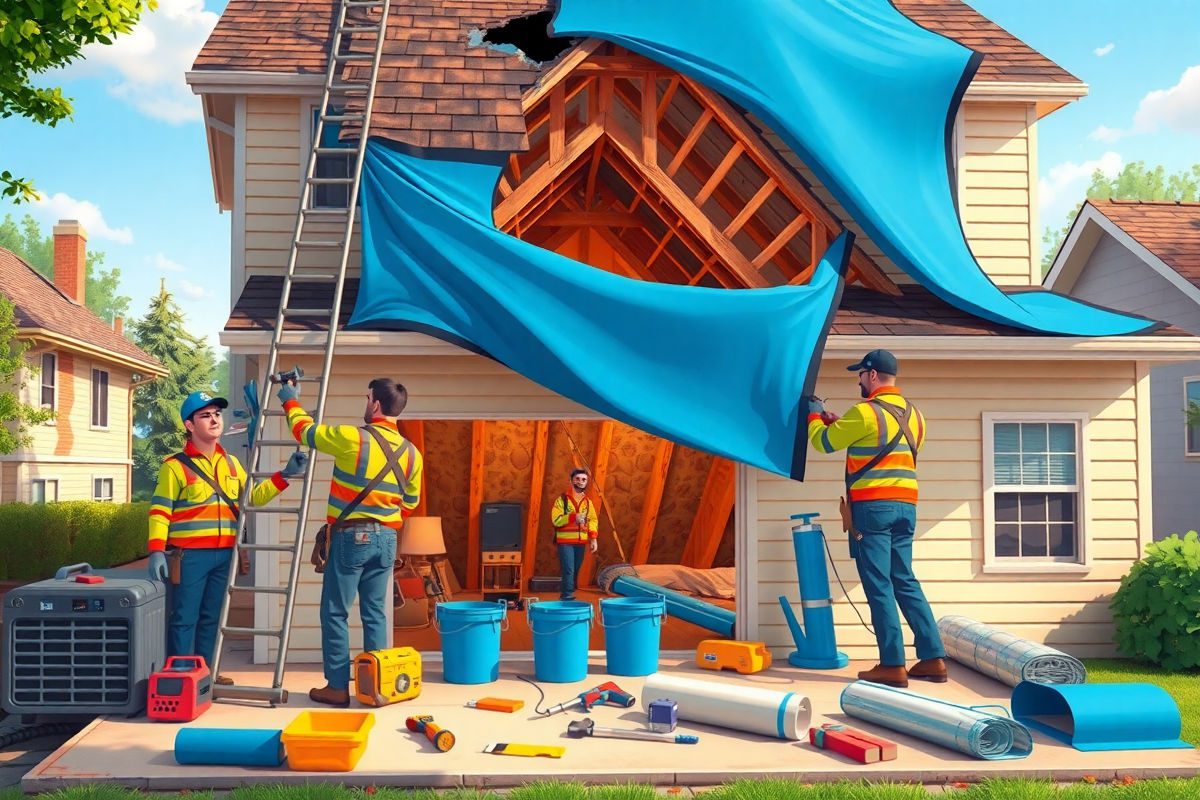
Homeowners feel panic, anger, and helplessness. However, acting now reduces long term loss. Temporary tarp installation and roof stabilization can stop interior flooding. Experienced technicians begin water removal, damage inspection, and containment the moment they arrive. As a result, you preserve framing, drywall, and treasured belongings.
If you worry about mold contamination, musky odors, or insurance hassles, this guide will calm and equip you. It explains urgent steps, 24/7 emergency service options, and how professionals coordinate with insurers. In short, this is your roadmap from immediate protection to permanent roof repairs and full restoration. Read on to learn how to turn crisis into control, and regain safety fast.
Common causes of roof leaks and water damage
Roof leaks rarely come from a single problem. Often, several small issues combine and then fail during storms or heavy snow. The most common causes include:
- Storm damage and high winds. Strong winds lift or strip shingles, and fallen debris can puncture roofing. As a result, exposed underlayment lets water into attics and ceilings.
- Worn or missing shingles and flashing. Over time, shingles curl and flashing around chimneys and vents corrodes. Therefore, water finds new entry points.
- Poor maintenance and clogged gutters. Gutters that overflow let water back toward fascia and eaves, which causes rot and leaks.
- Aging roof materials and improper installation. Older roofs and DIY fixes often fail at seams, valleys, and protrusions.
- Structural issues and roof penetrations. Roof vents, skylights, and poorly sealed penetrations create chronic leak zones that worsen with weather.
Emergency roof repair and water damage restoration: early warning signs
Detecting leaks early saves money and prevents mold. Watch for these warning signs and act fast:
- Water stains on ceilings or walls. Dark patches or rings often mean slow or hidden leaks.
- Peeling paint and bubbling wallpaper. Because moisture weakens finishes, surfaces will blister or flake.
- Damp insulation or attic darkening. Check attics after storms and look for wet insulation or daylight showing through roofing.
- Musty or musky odors. Mold growth can begin within 24 to 48 hours after water intrusion, so respond immediately.
- Increased utility bills or unexplained pests. Moisture attracts insects and raises heating or cooling costs.
For practical next steps and fast responses, see local restoration tips at local restoration tips and learn how industry estimators build trust at industry estimators. For health guidance on mold, check the CDC and EPA resources: CDC mold resources and EPA mold resources.
Quick comparison of water damage restoration methods
Use this table to weigh options during Emergency roof repair and water damage restoration.
| Method | Description | Typical cost (USD) | Time required | Effectiveness | Best for |
|---|---|---|---|---|---|
| Water extraction | Pumping and wet-vacuum removal of standing water. Fast, prevents further saturation. | $500–$3,000 | Hours to 1 day | High for removing bulk water | Immediate flood or leak response |
| Structural drying and dehumidification | Air movers, dehumidifiers, and moisture monitoring to dry framing and materials. | $800–$5,000+ | 2–7 days | High when monitored and combined with extraction | Soaked walls, floors, and attics |
| Mold remediation | Containment, HEPA filtration, removal of contaminated materials, and antimicrobial treatment. | $500–$10,000+ | 1–7+ days | High if performed by certified pros | Visible mold or contamination risks |
| Sanitation and odor control | Antimicrobial cleaning, odor neutralizers, and safe thermal fogging when needed. | $200–$1,500 | Hours to 2 days | Moderate to high for odors | Musky smells after drying |
| Temporary roof repair and tarp installation | Emergency tarping, roof stabilization, and protection of at-risk zones. | $200–$1,000 | Immediate, same day | High as a temporary measure | Storm-damaged roofs and active leaks |
| Full reconstruction and replacement | Rebuilding of drywall, insulation, roofing, and flooring after drying and remediation. | $5,000–$50,000+ | Weeks to months | Permanent when done professionally | Severe structural or long-term damage |
Note: Costs vary by location, damage severity, and insurance coverage. For free estimates on water removal, let professionals inspect and advise.
Emergency roof repair and water damage restoration: step-by-step process
- Initial assessment and safety check
- Professional crews arrive and assess hazards, leak locations, and structural risks. They also check for electrical dangers. Because safety is priority, crews secure the scene before work begins.
- Tip for homeowners: do not enter rooms with sagging ceilings. Instead, turn off power to affected areas if safe to do so.
- Immediate containment and temporary tarping
- Teams install temporary tarps and roof stabilization to stop ongoing water entry. This prevents further interior damage and mold growth.
- For quick homeowner action, place buckets under drips, move furniture and valuables away from wet zones, and use towels to limit spread.
- Emergency water removal and dry-out
- Technicians perform water extraction using pumps and wet vacs. Next, they deploy air movers and dehumidifiers to dry framing, insulation, and flooring.
- Because moisture hides inside cavities, professionals use moisture meters to track progress.
- Damage inspection and documentation
- After water removal, crews inspect for hidden damage, perform moisture mapping, and photograph conditions for insurance.
- Homeowners should take photos and keep receipts for temporary repairs.
- Mold assessment and remediation when needed
- If contamination exists, certified mold remediation begins. Containment, HEPA filtration, and removal of wet materials reduce health risks.
- Permanant roof repair and reconstruction
- Once dried, contractors replace shingles, flashing, and damaged decking. Then they rebuild interior finishes and restore the home.
Best practices and homeowner tips
- Call a 24/7 emergency service immediately to reduce loss.
- Document damage with time-stamped photos. Also, contact your insurer early and keep records of all work.
- Avoid DIY structural fixes on roofs. Instead, make small temporary stops and wait for licensed professionals for permanent roof leak repair or storm damage roof repair.
Conclusion
Emergency roof repair and water damage restoration cannot wait. When water breaches your roof, act fast because delays increase costs, structural loss, and mold risk. Calling professionals quickly reduces damage and restores safety. Certified crews secure hazards, install temporary tarps, extract water, and begin structural drying. As a result, you limit repair scope and avoid longer disruptions to your home life.
Prompt professional help delivers clear benefits. Experts use moisture meters and industrial equipment to find hidden wet zones. They document damage for insurance and coordinate claims. Also, trained teams handle safe mold remediation and permanent roof leak repair when required. With 24/7 response options and financing, homeowners can regain comfort without unnecessary delay.
You can prevent many emergencies through simple maintenance. Inspect shingles and flashing seasonally. Clean gutters and remove debris. Photograph storm damage and contact an emergency line early rather than later.
Recommended Service: discover this trusted partner.
Company profile: This project provides practical and educational content on water damage mitigation and plumbing services across the United States. Our goal is to help homeowners understand the risks associated with leaks, floods, moisture, mold, and common plumbing issues. We share clear, accessible information on water cleanup, structural drying, damage inspections, mold prevention, and reliable plumbing solutions. All of our content is designed to support home safety and maintenance, backed by the availability of certified technicians in every state, ready to assist 24/7 nationwide. Nothing in our articles replaces professional evaluations, repairs, or recommendations from qualified specialists.
Frequently Asked Questions (FAQs)
How much does emergency roof repair and water damage restoration typically cost?
Costs vary with severity, materials, and location. For example, temporary tarping and water extraction often range from a few hundred to several thousand dollars. Major reconstruction can cost tens of thousands. Because insurance and damage size matter, get a professional estimate and document damage for claims. Also, ask about financing options if needed.
How quickly should I call a professional after a roof leak?
Call as soon as you detect a leak. Water soaks structural elements fast and mold can begin within 24 to 48 hours. Therefore, early contact limits loss. Many companies offer 24/7 emergency service to respond the same day.
Can I safely perform temporary fixes myself?
You can take small safety steps, such as placing buckets under drips, moving valuables away, and laying down towels. However, avoid climbing or doing complex roof work. Instead, wait for trained crews to install tarps and stabilize the roof.
Will my homeowner insurance cover repairs and restoration?
Coverage depends on your policy and cause of damage. Sudden storm damage is often covered, while neglect is not. Consequently, photograph damage, keep receipts, and contact your insurer quickly. Professional restorers commonly help with documentation and claims.
When should I worry about mold and call a remediation specialist?
If you see visible mold, smell a musky odor, or notice persistent dampness, call a specialist. Because mold spreads fast and affects health, professionals use containment, HEPA filtration, and proven removal methods. For major contamination, do not attempt DIY remediation.