
How Property Inspections Prevent Mold Before It Strikes?
Property inspections: The first line of defense against water damage and mold
Property inspections are more than a checklist. They are proactive risk control. Early detection stops a tiny drip before it becomes rot and mold. Because water spreads silently, a missed leak can hollow out beams, ruin flooring, and seed dangerous mold. Therefore, regular inspections protect your health, keep repair costs low, and preserve your property value.
Neglecting inspections invites surprises. In many homes, slow leaks hide behind walls. As a result, mold can grow unseen for months. This causes musty odors, allergic reactions, and structural weakness. However, with routine checks and smart plumbing maintenance, most problems are avoidable.
What you will learn in this article
- How to spot early signs of water intrusion and plumbing failure before they escalate
- Simple inspection routines you can do yourself and when to call a pro
- Why moisture meters, thermal imaging, and structural checks matter for mold prevention
- The practical steps restoration teams take after discovery and how insurance plays a role
Who this is for
Homeowners, property managers, and landlords who want clear, actionable guidance. If you value safety and want to avoid surprise repairs, read on. The next sections explain hands-on inspection tips, common problem zones, and when emergency restoration becomes necessary. Start here, because a thorough inspection today will save you from expensive damage tomorrow.
Property inspections: Key benefits for homeowners
Regular property inspections deliver clear value. They catch leaks, clogged drains, failing seals, and hidden moisture. As a result, homeowners avoid costly repairs and reduce health risks from mold and mildew. “A thorough inspection today will save you from unnecessary surprises tomorrow,” and many restoration pros repeat that truth.
Why inspections matter
- Protect structural integrity. Early detection prevents rot in joists and beams. Therefore, you keep repair bills lower and preserve resale value.
- Reduce mold risk. Because mold thrives in damp, discovering moisture quickly stops contamination from spreading. For official health guidance see CDC Mold and EPA Mold.
- Save money on insurance claims. Quick reporting and mitigation often improve claim outcomes and reduce out-of-pocket costs.
- Improve safety and comfort. Inspections reveal unseen hazards like water near electrical panels, which is a safety risk.
Consequences of missed inspections
- Slow leaks behind walls that rot framing and ruin finishes
- Musty odors and allergic reactions from hidden mold growth
- Costly structural repairs and replacement of flooring or drywall
- Emergency restoration, which often costs far more than routine maintenance
A vivid example
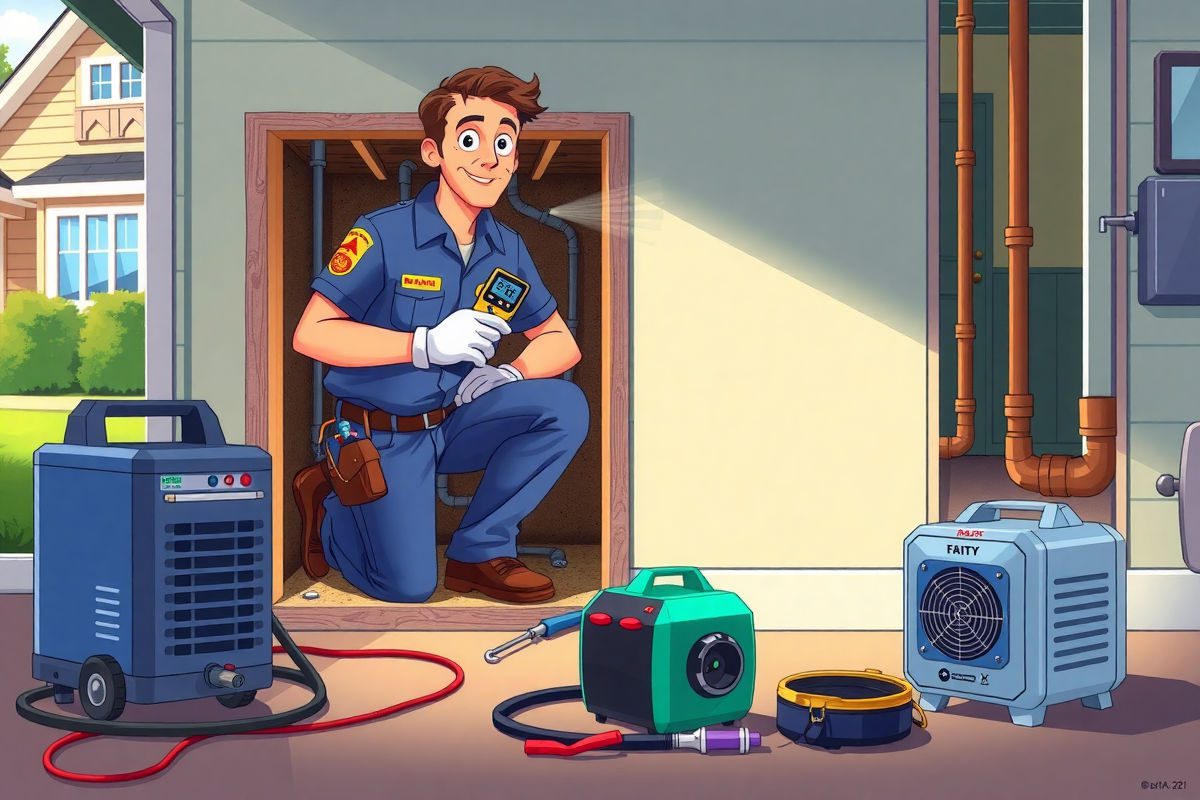
Imagine a homeowner who found a faint musty smell under stairs. During a routine check, a technician used a moisture meter and thermal camera. They found a slow leak from a poorly sealed upstairs shower. Because the leak stopped quickly, the homeowner avoided replacing subflooring. Otherwise, mold would have spread into insulation and wall cavities.
For practical inspection tips and faster plumbing responses, see this guide on industry best practices: Plumbing Services Guide and learn how local restoration teams act fast at Toronto Restoration Services.
| Inspection Type | Key Benefits | Recommended Frequency | Signs You Need This Inspection |
|---|---|---|---|
| Water damage inspection |
|
|
|
| Plumbing inspection |
|
|
|
| Mold inspection |
|
|
|
| Basement and flood inspection |
|
|
|
Preparing for Property inspections: a homeowner checklist
A little preparation makes inspections faster and more effective. Before the inspector arrives, tidy access points and gather documents. As a result, the visit goes smoothly and you get clearer findings.
Quick checklist before the appointment
- Clear access to crawl spaces, basements, attics, utility closets, and behind major appliances. Inspectors need room to work.
- Turn off security systems or notify your alarm company so they do not trigger during testing.
- Locate main water shutoff and any secondary shutoffs. Also, know the location of the electrical panel and gas shutoff.
- Gather records of recent repairs, plumber invoices, warranties, and previous inspection reports. These speed diagnosis and help with insurance.
- Note rooms with unusual smells, stains, or recent leaks. Mark problem areas with sticky notes or photos.
What to expect the inspector will check
- Visible plumbing fixtures and supply lines for leaks and corrosion. They will test faucets and drains.
- Water heater and appliances for rust, pressure issues, and proper venting.
- Signs of hidden moisture using moisture meters and thermal imaging. Therefore, inspectors can find wet cavities behind walls.
- Structural checks for soft wood, sagging floors, and water stains near framing.
- Mold-suspect areas and air quality triggers. If needed, they recommend a mold inspection or testing.
Final tips
- Be on hand to answer questions about recent problems. However, avoid crowding the inspector.
- Ask for a clear, written report with photos and prioritized repairs.
- If the inspector suggests immediate mitigation, act quickly to limit damage and protect health.
For more on plumbing readiness and rapid response, see this guide on faster plumbing repairs: this guide and learn why quick inspections matter in multi-unit buildings: this article.
CONCLUSION
Property inspections are an essential habit for protecting your home. Regular checks catch leaks early, prevent mold, and stop minor issues from turning into major structural damage. Because water damage spreads fast, acting quickly saves time and money.
Certified technicians are available nationwide to help with water damage mitigation and plumbing services. GTA Restoration and similar teams deploy trained professionals who use moisture meters, thermal imaging, and industry tools. As a result, homeowners get accurate diagnoses and fast remediation when it matters most.
Schedule an inspection if you notice stains, musty smells, or unusual humidity. A short service call today avoids costly repairs later. In addition, timely documentation often supports better insurance outcomes, which reduces out-of-pocket expenses.
Act now to protect your investment and your family’s health. Contact a certified provider for a full inspection, and follow prioritized repair recommendations. Small repairs today prevent emergencies tomorrow.
Recommended Service: discover this trusted partner.
Company profile: This project provides practical and educational content on water damage mitigation and plumbing services across the United States. Our goal is to help homeowners understand the risks associated with leaks, floods, moisture, mold, and common plumbing issues. We share clear, accessible information on water cleanup, structural drying, damage inspections, mold prevention, and reliable plumbing solutions. All of our content is designed to support home safety and maintenance, backed by the availability of certified technicians in every state, ready to assist 24/7 nationwide. Nothing in our articles replaces professional evaluations, repairs, or recommendations from qualified specialists.
Frequently Asked Questions (FAQs)
How often should I schedule property inspections?
For most homes, once a year is a good baseline. However, inspect plumbing systems every 1 to 2 years for older pipes. Also schedule an inspection after heavy storms, flooding, or major renovations.
How much do inspections cost?
Costs vary by scope and region. Typical general inspection: $150 to $400. Specialized water, mold or thermal scans: $300 to $800. Ask for a written estimate and check whether insurance covers part of the fee.
What signs indicate I need an inspection now?
Visible water stains, peeling paint, or warped floors. Musty odors or unexplained allergy symptoms. Sump pump failures, frequent clogs, or plumbing leaks.
How do inspections help prevent water damage and mold?
Inspectors use moisture meters and thermal imaging to find hidden wet spots. Therefore, early detection lets you fix sources before mold spreads. Quick mitigation reduces repair costs and health risks.
Will an inspection help with insurance claims?
Yes. A dated, photo-backed report documents damage and timing. Prompt mitigation and professional reports often improve claim outcomes. As a result, you may face lower out-of-pocket costs.