
Why Water damage restoration and property inspections matter now?
Water damage restoration and property inspections
Water damage restoration and property inspections are essential steps for any homeowner facing leaks, floods, or hidden moisture. Because water moves fast, early action matters to limit structural damage and mold growth. Therefore, this article shows what to expect and why professional mitigation pays off.
A burst pipe or a slow attic leak can weaken floors, ruin insulation, and harm wiring. However, many risks hide behind drywall and under flooring. Professional restoration teams use rapid water extraction, dehumidifiers, and moisture meters to stop damage before it spreads.
Inspections reveal hidden issues, document damage for insurance, and guide repairs. As a result, you save money and avoid future surprises. Nationwide homeowners should understand inspection scopes, common red flags, and response timelines.
Read on to learn practical steps for quick extraction, structural drying, and thorough property assessments. We will cover equipment, safety checks, and when to call certified technicians. By the end, you will know how to protect your home and your family.
Water damage restoration and property inspections: what to expect
When water invades a home, speed and method matter. First, professionals stop the source and assess the scope. Then they document damage for insurance and safety. Because moisture hides inside walls and floors, a thorough inspection matters.
Below are the typical steps homeowners should expect during water damage restoration. Read them slowly, and note what technicians will do and why it protects your house.
- Initial emergency response and safety check
- Technicians shut off electricity where needed and stop the water source. They check for hazards such as live wiring and structural collapse. Therefore, do not reenter flooded areas until pros say it is safe.
- Detailed property inspection and moisture mapping
- Experts use moisture meters and thermal imaging to find wet framing, insulation, and flooring. They assess structural integrity, plumbing, roofing, HVAC, and electrical systems. As a result, they create a clear scope for drying and repairs.
- Rapid water extraction
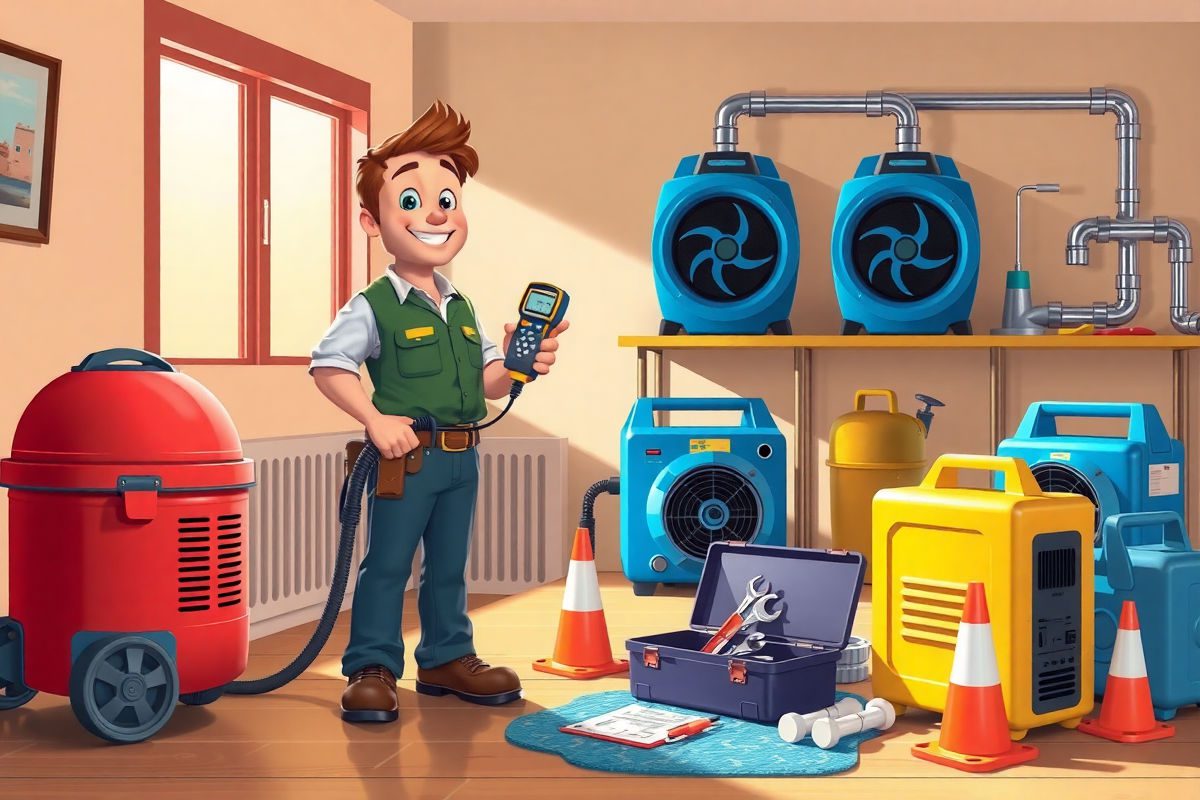
- Industrial pumps and wet vacuums remove standing water quickly. Rapid extraction limits swelling, warping, and mold growth. Homeowners are advised to move valuables and document damage with photos.
- Structural drying and humidity control
- High-velocity air movers and commercial dehumidifiers run continuously. Technicians monitor moisture levels and adjust equipment. This targeted drying prevents hidden pockets of damp that lead to mold.
- Cleaning, sanitizing, and antimicrobial treatments
- Surfaces receive sanitizing and antimicrobial treatments when needed. Contaminated materials may require removal. For mold guidance, see the EPA.
- Monitoring, progress reports, and documentation
- Crews record moisture readings and update insurance reports. This helps with claims and future inspections.
- Repairs, reconstruction, and final inspection
- Restoration teams repair drywall, flooring, and finishes. Finally, inspectors verify dryness and safety. For electrical and fire safety guidance, consult NFPA.
Professional mitigation blends fast action with measured testing. As a result, homeowners gain peace of mind, preserved property value, and a clear path back to normal living. For more on post-flood mold checks, read this inspection guide: inspection guide.
| Type of water damage | Typical causes | Symptoms and indicators to watch for at home | Recommended inspection or mitigation steps |
|---|---|---|---|
| Clean water (Category 1) |
|
|
|
| Gray water (Category 2) |
|
|
|
| Black water (Category 3) |
|
|
|
| Roof or attic leaks |
|
|
|
| Slab and foundation leaks |
|
|
|
| Crawlspace and basement moisture |
|
|
|
| Condensation and HVAC leaks |
|
|
|
| Appliance and fixture leaks |
|
|
|
| Long term moisture and slow leaks |
|
|
|
This table helps you spot common hazards and act quickly. Because time matters with water, a prompt inspection and professional drying prevent structural damage, reduce the chance of mold, and protect your home value.
Water damage restoration and property inspections: why mold and plumbing checks matter
Thorough property inspections catch problems before they become emergencies. Homeowners should pay special attention to mold and plumbing because these issues worsen water damage and harm health. “Time is critical when it comes to water”; unchecked moisture allows mold colonies to form in 24 to 48 hours. As a result, a fast, detailed inspection can prevent costly repairs and protect your family.
Why inspections matter
- Health risks
- Mold spores aggravate allergies and asthma. In some cases, prolonged exposure can cause respiratory infections. For credible guidance, consult the EPA on mold cleanup and the CDC for health advice.
- Hidden structural damage
- Slow plumbing leaks rot floor joists, weaken drywall, and corrode metal fasteners. Over time, this undermines structural integrity and raises repair costs. Therefore, inspectors probe behind finishes and use moisture meters and thermal cameras.
What inspectors look for
- Plumbing systems
- Active leaks at fixtures and supply lines
- Corrosion on water heaters and visible pipe joints
- Poor drainage or blocked venting that causes backups
- Mold and moisture indicators
- Visible mold growth and musty odors
- Elevated moisture readings in walls and subfloors
- HVAC and crawlspace condensation problems
Practical advice for homeowners
- Document and photograph any wet areas as soon as you find them. This helps with insurance claims.
- Share maintenance history with the inspector, including appliance failures and prior repairs.
- Expect a written report that lists affected areas, remediation steps, and moisture readings.
A thorough inspection saves money and gives confidence. For more on mold inspections after flooding, see this practical guide: this practical guide.
CONCLUSION
Fast response and careful testing turn a flood from an emergency into a manageable project. Water damage restoration and property inspections require quick extraction, controlled drying, targeted sanitizing, and a final safety check. Professionals document moisture readings, protect electrical systems, and coordinate repairs and insurance. These steps preserve structure and reduce mold risk.
Inspections are crucial because hidden moisture drives mold and rot. “A thorough inspection today will save you from unnecessary surprises tomorrow.” Inspectors probe walls, test plumbing, and scan for elevated humidity. As a result, you avoid costly repairs and health hazards.
If your home floods or you find persistent leaks, act now. Call certified technicians who offer 24/7 nationwide response. Do not wait if you see standing water, sewage contamination, or visible mold.
Immediate actions for homeowners
- Turn off utilities if safe and stop the water source.
- Photograph damage and keep receipts for claims.
- Contact certified restoration specialists for rapid extraction, structural drying, and inspection services.
Recommended Service: discover this trusted partner.
Company profile: This project provides practical and educational content on water damage mitigation and plumbing services across the United States. Our goal is to help homeowners understand the risks associated with leaks, floods, moisture, mold, and common plumbing issues. We share clear, accessible information on water cleanup, structural drying, damage inspections, mold prevention, and reliable plumbing solutions. All of our content is designed to support home safety and maintenance, backed by the availability of certified technicians in every state, ready to assist 24/7 nationwide. Nothing in our articles replaces professional evaluations, repairs, or recommendations from qualified specialists.
Frequently Asked Questions (FAQs)
How can I detect water damage early?
Look for water stains, peeling paint, warped floors, and musty odors. Check under sinks, around appliances, in the attic, and in crawlspaces. Use a flashlight and a moisture meter when possible. Because mold grows fast, act within 24 to 48 hours if you find wet materials. Document findings with photos for insurance claims.
How much do inspections and restoration cost?
Costs vary by severity. A basic inspection may cost $100 to $400, while full restoration can range from a few thousand to tens of thousands of dollars. Factors include the category of water, square footage, and repairs required. However, insurance often covers sudden events, so keep receipts and get a written estimate. Therefore, ask about financing and billing support. Some providers offer in-house financing and direct insurance billing.
What should I expect during the restoration process?
Technicians will arrive quickly, secure the area, and stop the water source. Then they extract standing water, set up air movers and commercial dehumidifiers, and monitor moisture levels. Crews clean and sanitize affected surfaces, replace contaminated materials if needed, and complete repairs. You will receive reports with moisture readings and a final inspection sign-off.
How can I prevent mold after a leak or flood?
Dry the area fast, ideally within 48 hours. Remove wet drywall, insulation, and soft goods if they are soaked. Increase ventilation, run dehumidifiers, and repair plumbing faults. Use antimicrobial treatments when recommended, and monitor indoor humidity below 60 percent.
How do I find reliable professionals and what should I ask?
Look for 24/7 response, IICRC certification, and insurance claim experience. Ask about:
- Written estimates and the full scope
- Equipment used and the drying plan
- Mold remediation and sanitizing methods
- References and proof of licensing
- Financing options and insurance billing support
Trust companies that document moisture readings and give clear timelines. As a result, you will protect health and home value.