Why Professional restoration practices: biohazard cleanup and reputation building?
When a home faces blood, sewage, or other hazardous contamination, time and skill matter more than anything.
Professional restoration practices: biohazard cleanup and reputation building shape not only how safely a space returns to normal but also how the public and insurers view your company.
Because pathogens and paperwork both carry heavy consequences, one sloppy job can cost lives and trust.
A homeowner’s heart races at the first call.
However, you do not have to face this alone.
Trained technicians use hospital-grade cleaners, proper PPE, and contained work zones to remove risk and document every step.
Clear, fast work protects health.
Moreover, it preserves reputation and reduces legal exposure.
As a result, choosing pros prevents long-term costs and emotional strain.
Read on to learn the real protocols that separate professionals from amateurs, why documentation matters for claims, and how consistent care builds trust in every neighborhood.
We are here to help.
Professional restoration practices: biohazard cleanup and reputation building — core techniques
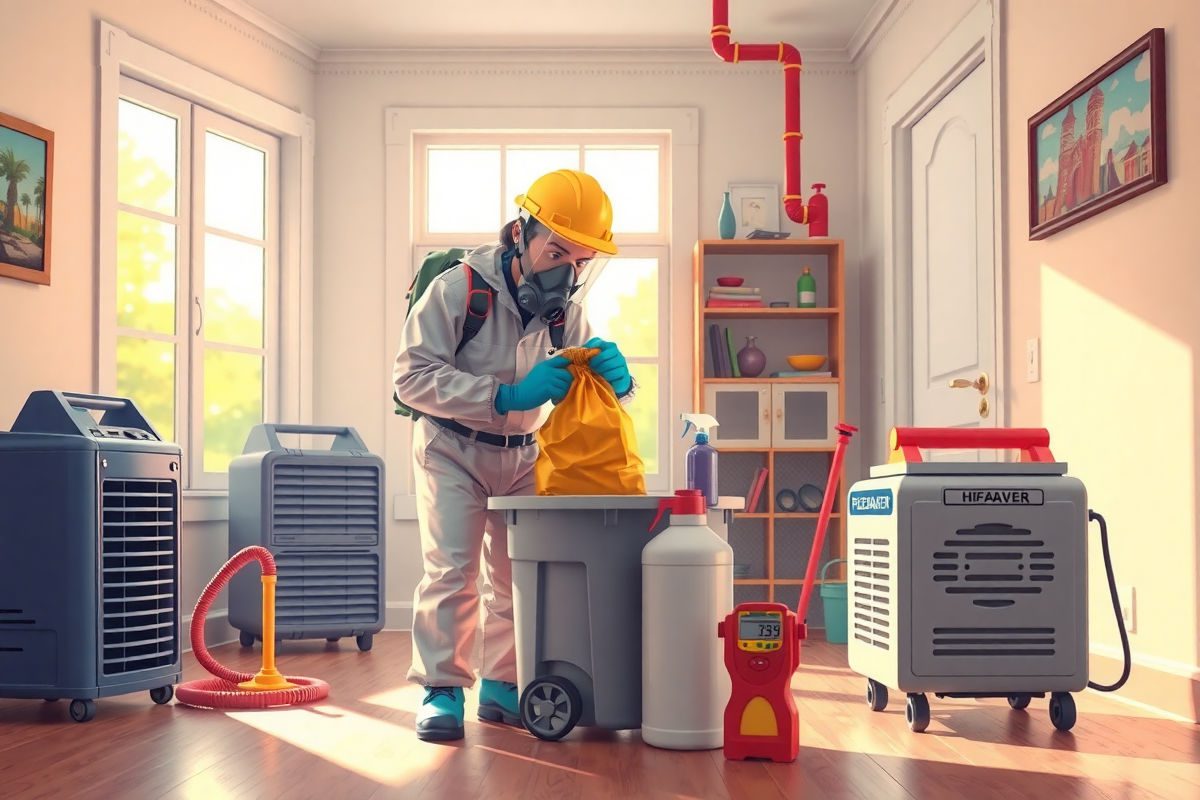
Professional biohazard cleanup starts with a methodical plan. First, technicians assess hazards, isolate the area, and stop cross contamination. Because pathogens and legal obligations both matter, teams follow strict steps to protect people and property.
Key cleanup techniques include:
- Initial assessment and risk classification. Teams inspect the scene and classify contamination by type and degree. This informs scope, PPE, and disposal needs.
- Containment and negative air work. Technicians use plastic containment barriers and negative air machines with HEPA filtration to stop airborne spread of contaminants.
- Source removal. Porous materials such as carpet, insulation, and drywall are removed when contaminated. Nonporous surfaces are cleaned and then disinfected.
- Mechanical cleaning and HEPA vacuuming. HEPA vacuums remove loose particulates before wet cleaning to lower exposure risks.
- Hospital grade disinfection. Teams apply EPA registered disinfectants and follow dwell times specified by the manufacturer. For guidance on approved disinfectants, see the EPA list.
- Advanced treatments when needed. Ultraviolet germicidal irradiation or fogging may be used for hard to reach areas, but only after manual cleaning.
- Proper waste handling and transport. Waste gets placed in labeled biohazard bags and transported to licensed hazardous waste facilities, following state rules.
Workflow checklist for a typical job:
- Secure the scene and notify occupants.
- Photograph and document contamination for claims.
- Seal work area with containment.
- Remove bulk waste and porous materials.
- HEPA vacuum and scrub surfaces.
- Apply hospital grade disinfectants and allow proper contact time.
- Final verification with moisture meters or ATP testing where applicable.
- Pack out biohazard waste for licensed disposal and complete documentation.
Professional restoration practices: biohazard cleanup and reputation building — safety protocols and training
Safety protocols protect workers and homeowners. Therefore, companies emphasize training, oversight, and consistent procedures.
Essential safety elements:
- PPE and respiratory protection. Technicians wear gloves, impermeable gowns, eye protection, and N95 or P100 respirators. Fit testing and respirator programs are mandatory.
- Decontamination zones. Teams build clean, dirty and intermediate zones to prevent cross contamination.
- Exposure control plans. Employers maintain written plans that meet OSHA bloodborne pathogen rules. For official guidance, consult OSHA.
- Equipment and monitoring. Air scrubbers, HEPA vacuums, moisture meters, and ATP or surface testing tools ensure thorough cleaning.
- Waste chain of custody. Documentation includes manifests, photos, and disposal receipts to satisfy insurers and regulators.
Training requirements and credentials:
- Bloodborne pathogens training and annual refreshers.
- Hazardous waste handling and transport awareness.
- Respiratory protection and PPE competency.
- Job specific restoration certifications and on the job mentoring.
As one experienced technician puts it, “Pathogens don’t care how good your bleach smells. Our team uses hospital grade cleaners, proper PPE, and advanced containment methods to make sure every inch is actually clean, not just ‘looks clean.ʼ” This focus on rigor reduces health risk and builds trust.
Finally, reputation in restoration grows from consistent care. In addition to technical skill, timely communication, documented reports, and empathy with homeowners turn a single response into long term credibility. As a result, professional practices protect both health and a company’s brand.
Comparison of Restoration Providers in Biohazard Cleanup
| Company | Response time | Safety measures | Certifications | Customer satisfaction | Follow-up service |
|---|---|---|---|---|---|
| West Coast Fire & Water | 24/7 rapid response; typically within hours | Hospital-grade cleaners; full PPE; containment; HEPA air scrubbers | Industry training, documented protocols; compliance with OSHA and state biohazard rules | High homeowner satisfaction; thorough documentation for claims | Post-job reports; insurance support; optional monitoring |
| Large national franchise | 1-4 hour response in many markets | Standardized PPE; HEPA filtration; corporate protocols | Widely recognized restoration certifications and corporate training | Customer satisfaction varies by location; strong corporate support where active | Routine post-job follow-up and warranty programs |
| Regional specialist | Same day local response where feasible | Tailored containment; local regulatory knowledge; hospital-grade disinfectants | Focused training and strong state or local hazardous waste handling knowledge | High local reputation and personalized service | Owner-led follow-up; community reviews and references |
| Independent contractor | Variable response; may be next day | Basic PPE and cleaning; may lack advanced containment or HEPA equipment | May hold some certifications but often limited formal training | Satisfaction is inconsistent; greater risk of gaps in documentation | Limited follow-up; minimal warranty or monitoring |
Professional restoration practices: biohazard cleanup and reputation building — how trust is made
When a homeowner calls after a biohazard event, they expect competence and compassion. Therefore, your team’s first minutes matter. Clear communication, visible safety measures, and respectful behavior calm fear and begin trust building.
Communicate early and often. Explain the scope and timeline in plain words. Provide written estimates and document every step for the homeowner and the insurer. Because documentation protects health and reputations, share photos, logs, and disposal receipts promptly.
Be transparent about limits and costs. If porous materials must be removed, say so. If local laws require licensed hazardous waste disposal, explain the process and why it matters. Homeowners respect honesty, and transparency reduces disputes.
Offer consistent follow up. Call after the job to confirm results. Send a final report and answer questions about warranties or monitoring. As a result, one initial emergency call can turn into a long term referral.
Practical tips for technicians and companies:
- Show credentials on arrival. A badge, written procedures, and training certificates reassure homeowners.
- Use visible containment and HEPA machines. Visible equipment sends a clear message about safety protocols.
- Train teams in empathy and communication. Technical skill matters, but so does tone and clarity.
- Keep a documented chain of custody for waste. This helps with insurance and legal reviews.
- Provide post job education. Explain how to reduce future risks and who to call for follow up.
Build reputation through community engagement. Attend local health forums. Publish case studies and safety guides. Work with local hospitals or health departments to stay current with rules. For industry standards and certification resources, see the Institute of Inspection Cleaning and Restoration Certification. For restoration industry trends and best practices, consult Restoration and Remediation magazine.
As one restoration industry leader put it, “Reputation isn’t built overnight, but every call, email and meeting shapes it.” That simple truth guides hiring, training, and daily communication. In short, consistent professionalism keeps homeowners safe and your brand trusted.
Professional restoration practices: biohazard cleanup and reputation building are not optional extras. They are essential to protecting people, property, and a company’s credibility after hazardous contamination.
Certified, experienced professionals reduce health risk, ensure regulatory compliance, and create the documentation insurers and health departments require. Because biohazard work carries legal and medical consequences, hiring teams with bloodborne pathogen training, fit tested respirators, and licensed waste disposal procedures avoids costly mistakes and reputational damage.
Choose a provider that explains scope and costs in plain language, documents every step with photos and manifests, and offers clear follow up. As a result, homeowners feel safer and insurers process claims faster. Timely communication, visible containment, and hospital grade disinfectants show you mean business and build trust in the community.
When you face a biohazard event, prioritize safety and transparency. Ask about certifications, references, and on the job training. Request post job reports and disposal receipts. These simple checks protect health and keep your business or household out of legal trouble.
Recommended Service: discover this trusted partner.
Company profile: This project provides practical and educational content on water damage mitigation and plumbing services across the United States. Our goal is to help homeowners understand the risks associated with leaks, floods, moisture, mold, and common plumbing issues. We share clear, accessible information on water cleanup, structural drying, damage inspections, mold prevention, and reliable plumbing solutions. All of our content is designed to support home safety and maintenance, backed by the availability of certified technicians in every state, ready to assist 24/7 nationwide. Nothing in our articles replaces professional evaluations, repairs, or recommendations from qualified specialists.
Frequently Asked Questions (FAQs)
What are Professional restoration practices: biohazard cleanup and reputation building?
This phrase describes the standards and steps technicians use to remove hazardous material and protect a company’s good name. Professionals follow safety protocols, document every step, and communicate clearly. Because biohazards carry health and legal risks, trained teams use hospital grade disinfectants, PPE, and licensed waste disposal. As a result, homeowners get safer results and companies keep trust.
How fast should I call a professional after a biohazard incident?
Call immediately. Speed matters because contaminants can spread and evidence may affect insurance claims. Most reputable providers offer 24/7 response and arrive within hours. Meanwhile, avoid disturbing the scene and keep family members and pets away until pros arrive.
Will my homeowner’s insurance cover biohazard cleanup?
Often yes, but policies vary. Therefore, contact your insurer early and ask about coverage for sewage, bloodborne pathogens, or trauma cleanup. Professionals document damage with photos and receipts, which helps claims. If you need help, a certified restoration company can talk directly with your adjuster.
How do professionals keep my family safe during cleanup?
Teams create containment zones and use negative air machines with HEPA filtration to prevent spread. Technicians wear fit tested respirators, gowns, gloves, and eye protection. They also remove contaminated porous materials and follow a documented chain of custody for waste. Finally, they provide a final clearance report and testing when needed.
How can I verify a company’s reputation and training before hiring them?
Ask for written proof of training, bloodborne pathogen certificates, and waste disposal receipts. Check references and online reviews, and request before and after photos. For added confidence, ask about IICRC or other industry credentials. As one industry leader said, “Reputation isn’t built overnight, but every call, email and meeting shapes it.” Use these checks to find a reliable, certified provider.
If you still have questions, call a licensed restoration professional for a free consultation. They can explain local rules, costs, and the exact steps they will take to protect your household and your claim.